

Tom's Column - April/May 26
Some Reflections on a Decade in the Trenches of Journalism by Tom Beasley
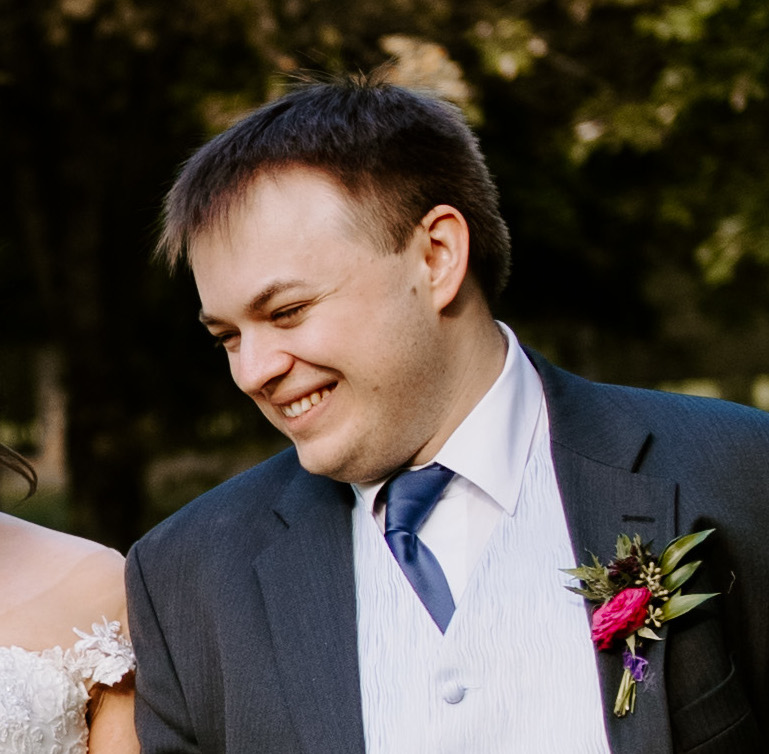
January of this year marked a special anniversary for me. It has been 10 years since I started my first full-time job in journalism, at a local newspaper on the south coast. Over the last decade, the industry has changed an awful lot – as has the scope of my own career – but this is a great time to take stock and look back, as well as looking forward to the future.
Being a journalist in the 2020s is, first and foremost, a rollercoaster. Redundancies are a fact of life. I, myself, was made redundant from the best job I've ever had in 2023, but I have friends and colleagues who have experienced three or four different redundancies over the course of the last decade. This isn't a reflection of the ability of today's journalists, but an unavoidable symptom of the immense financial pressure hanging like a sword of Damocles over every media outlet.
I have spent the lion's share of my career as a freelancer, hopping between outlets in search of anybody willing to pay me – like Oliver Twist with a laptop instead of a bowl of gruel. Those outlets are increasingly few and far between. In an era of squeezed journalism budgets, arts and culture coverage is often the first thing to go. But what this means is a dearth of quality writing about the arts in mainstream outlets, especially with full-time culture critics at American publications like New York Times, Vanity Fair, and the Chicago Tribune being either ousted or reassigned to different roles.
This is mostly happening because of the whims of a single major tech company. Every website I have ever worked for, from the largest to the smallest has earned the majority of its viewership via Google. That means that any change in Google's algorithm can make or break a website by promoting or relegating pages on its search results. It's like a Roman emperor, raising or lowering a digital thumb to decide the bloody fate of online news operations.
Google has only become more dominant in this respect, to the extent that most online journalism today is aimed squarely at the site's algorithmic sweet spot. There's nothing wrong with that, but it means that editorial strategies have to change rapidly to match the way Google's priorities change quicker than Nottingham Forest's managers.
Of course, the journalism world is now also threatened by AI. I wrote at length about this in my last article, so I won't dwell on it here other than to note that my former local news employer now regularly advertises for “AI-assisted reporter” roles. Meanwhile, the Coventry Telegraph has a notice on its website declaring that “where appropriate, a small proportion of our content will have been produced by our journalists with the aid of AI tools”. Even Google is now using AI to cannibalise journalism, regurgitating our work into its “AI Overviews” at the top of search pages. These mean that a lot of users don't ever even click on the work of the original journalist who provided the information.
All this is to say that the world of journalism looks a lot bleaker than it did when I first took my seat in a professional newsroom. However, I retain hope because of the people involved. As part of my work with the charity Voice Magazine, I regularly meet the young people who are the future of this profession – and they consistently impress and inspire me.
Journalism is in a bleak situation as I look ahead to the next 10 years but, based on the people who are about to take it over from my generation, it's in good hands for the future. Our AI overlords won't know what's hit them.
© 2026 Tom Beasley
Tom Beasley is a freelance film journalist, Rotten Tomatoes-approved critic and podcaster
now living in Coventry. He can be reached at tomjbeasley@gmail.com.


