

Interiors Column - June/July 26
Second Place
The rise of the second sitting room, and why you need one.
For decades the British home revolved around a single living room. It was where the television sat, where guests were entertained and where families gathered in the evening. Increasingly, however, homeowners are creating what designers now call the ‘second sitting room’ – in essence a smaller, more relaxed space dedicated to comfort rather than formality.
This shift reflects changes in how we use our homes, and it might have more than a little to do with technology as well.
Modern houses are expected to perform many roles: workplace, entertainment space, family hub and retreat. One living room often cannot accommodate all of those functions comfortably. A second, quieter room offers flexibility.
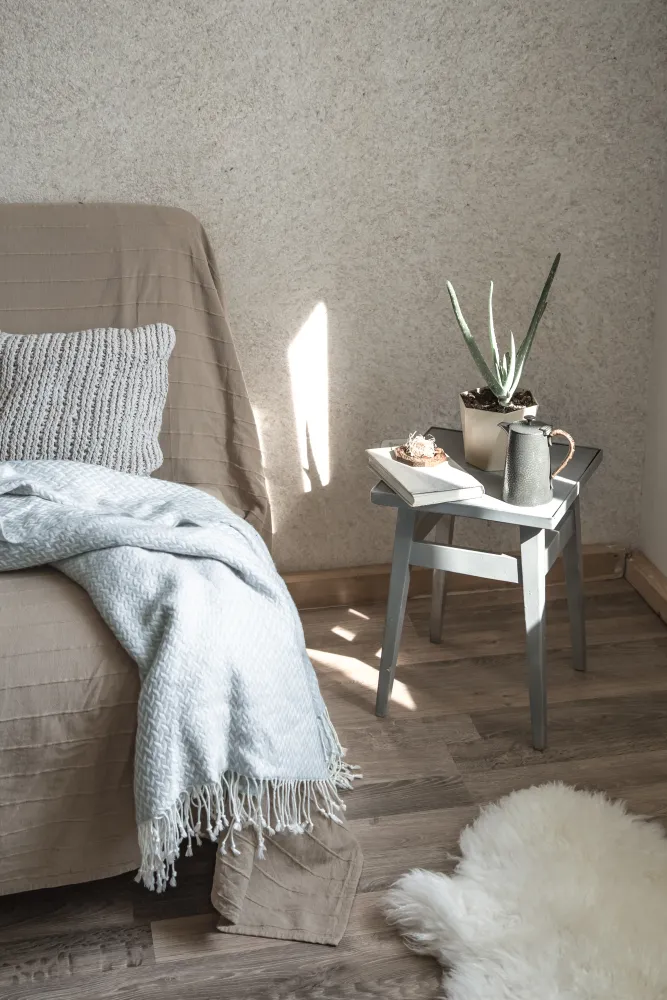
Sometimes the space is a converted spare room or an unused dining room. It might even be a little alcove in an existing main space. In other homes it appears as a snug, garden room or attic retreat. The aim is not grandeur but atmosphere - somewhere to read, listen to music, watch films or simply unwind without the bustle of the main household space.
Interior designers increasingly favour softer layouts for these rooms. Deep sofas, layered lighting and textured fabrics replace rigid seating arrangements. Bookshelves, low tables and comfortable armchairs encourage lingering rather than formal hosting. And this is where our change in tech habits come into it too. Where, in the past, the television brought people to a set space and usually for a prolonged period of time, a second sitting room reflects the fluid use of mobile tech devices (phones, iPads etc), where our presence in one specific area isn’t required.
Anyway, back to the design elements, and lighting plays a key role. Rather than the bright overhead lighting typical of main living rooms, second sitting rooms rely on table lamps, wall lights and warm-toned bulbs. The result is a more intimate atmosphere.
Garden rooms are particularly popular in this context. By creating a living space that opens onto greenery, homeowners gain the feeling of retreat without leaving the house. Large windows, natural materials and indoor plants strengthen that connection with nature.
Psychologically, these rooms offer something increasingly valuable: separation. There is quietness and sanctuary in a different space that doesn’t have the sleepiness of a bedroom or the hard surfaces of a kitchen.
Of course, the rise of this trend reflects a broader shift in domestic priorities. Homes are no longer simply places we return to after work. They are environments where we spend more time than ever before.
Creating a second sitting room – or even a corner of an existing room – is less about adding luxury and more about restoring balance to everyday living.


