

Interiors Column - February/March 26
Treasure Hunt
What you should and shouldn’t buy in terms of antique furniture
The internet has taken us a long way from the slightly roguish antics of Ian McShane’s loveable Lovejoy character, and it’s very hard to get a real steal these days, albeit not impossible.
Yet rather than trying to turn a profit, if what you’re seeking is decent antique furniture, first and foremost, for the sake of the furniture itself (not necessarily a future investment), then there awaits out there treasure, still.
The basics
Always buy from reputable sources and, above all else, get clear in your mind what you want, how to identify it, and what you’re willing to pay. This should minimise the likelihood of buyer’s regret, something which takes the shine off even the most coveted purchases!
What to look for
When considering antique furniture, the golden rule is to look for quality, authenticity and longevity. Experts note that pieces made from solid wood with hand-cut joinery, dovetail joints and original hardware are far more likely to retain or increase in value over time. For example, a well-preserved Georgian chest of drawers or a Victorian mahogany sideboard can command strong resale prices because of their craftsmanship and historical significance.
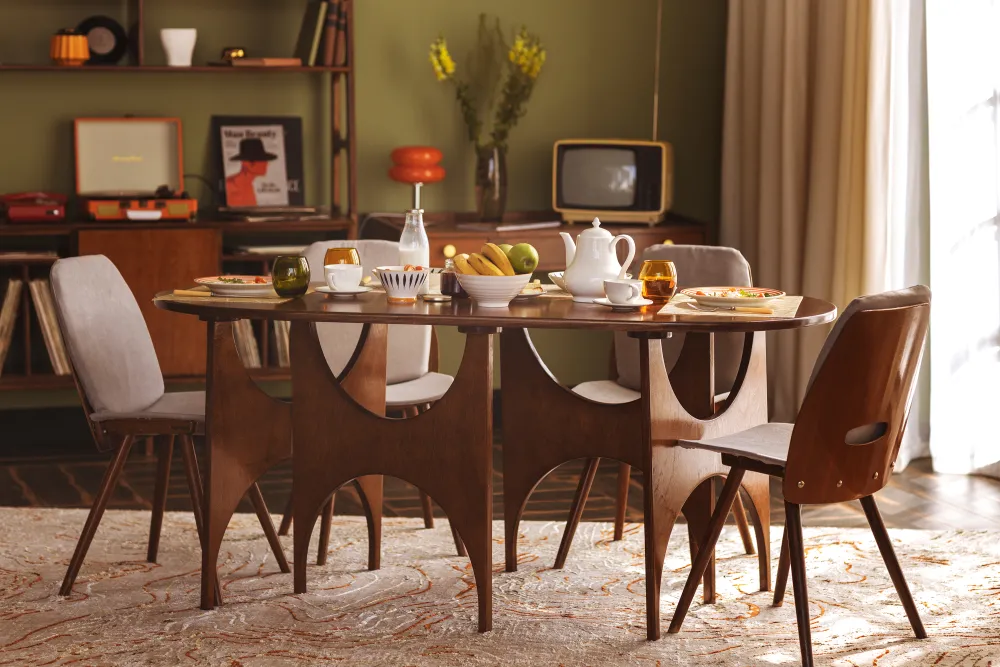
Similarly, mid-century modern designs by known makers (e.g. Ercol, G-Plan or Danish designers) are highly collectible and continue to appreciate in value.
Another category worth investing in is functional antiques - items like farmhouse tables, oak dressers or Windsor chairs. These pieces not only serve a practical purpose but also blend seamlessly into modern interiors, ensuring they remain desirable.
Unique or rare designs such as Art Deco cocktail cabinets or Arts and Crafts bookcases also hold strong appeal, especially when provenance can be verified.
What to avoid
Not every old piece is valuable. A frequent pitfall is reproduction furniture marketed as antique. Many reproductions from the 20th century mimic older styles but lack the craftsmanship and materials of true antiques. They may look convincing but often use machine-cut joints, plywood or veneers that don’t stand the test of time.
Another red flag is heavily damaged or altered furniture. While minor wear adds character, extensive repairs, missing parts or refinished surfaces can drastically reduce value. For instance, a Victorian dresser with replaced handles or stripped varnish may lose much of its authenticity. Similarly, oversized, impractical pieces, like massive sideboards or wardrobes, can be difficult to resell, no matter how old they are, because modern homes often lack the space.
Finally, beware of overpriced “trendy” items. Certain styles, such as shabby-chic painted furniture, may be fashionable for a time but rarely hold long-term value. Paying a premium for these pieces is often a poor investment.


