

Hydro To Go Special Article - February/March 26
Hydroponic farming which is possible for all
No garden? No problem. Or at least that’s the theory behind hydroponics. a method of growing plants without soil, using mineral nutrient solutions in an aqueous solvent.
In simple terms, it's an increasingly popular way to cultivate fresh, healthy vegetables at home, even with limited space or less-than-ideal outdoor conditions.
What is it?
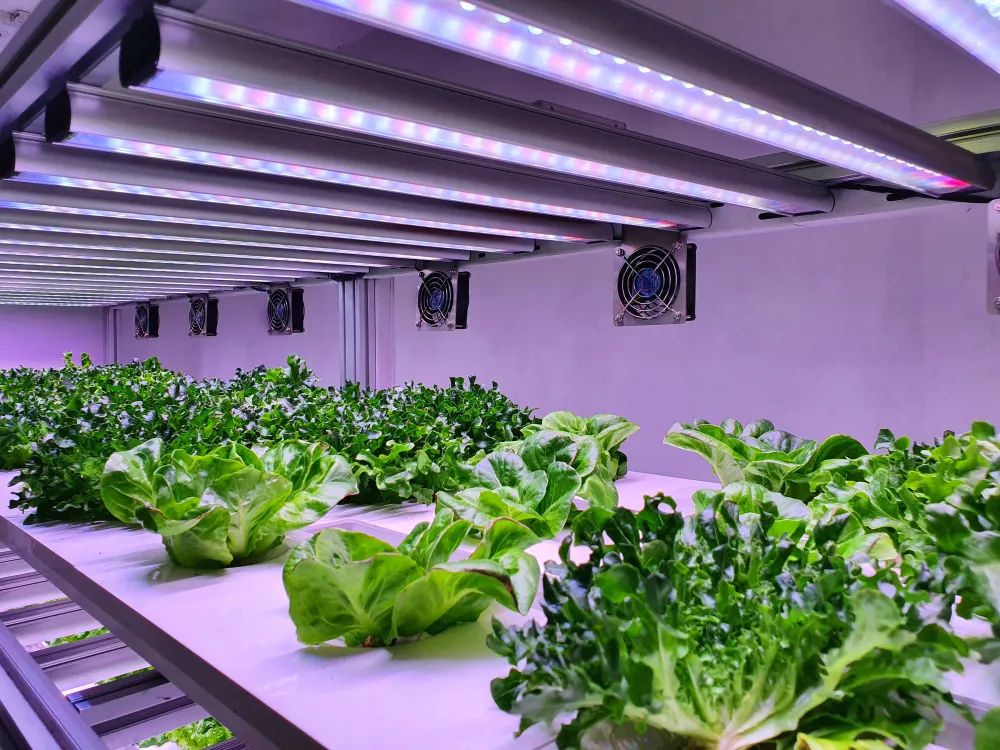
In hydroponic gardening, plants receive nutrients directly from water rather than soil. This approach allows for faster growth, higher yields, and the ability to grow vegetables indoors or in urban settings.
For beginners, Deep Water Culture (DWC) and Wick systems are often the easiest to set up and maintain. Consider the space available, your budget, and the types of vegetables you want to grow when selecting a system. Starter kits are widely available and include most of the essential components.
What you can grow
Many vegetables thrive in hydroponic systems, such as lettuce and leafy greens (spinach, kale, Swiss chard) – these are particularly suitable for beginners due to their rapid growth and lower nutrient requirements – plus tomatoes, cucumbers, peppers, herbs (basil, coriander, parsley) and strawberries.
Setting it up
You will need a hydroponic system, growing medium (such as clay pebbles or rockwool), nutrient solution, pH testing kit, and seedlings or seeds. Follow the manufacturer’s instructions, ensuring all components are clean and set up securely. Next, prepare the nutrient solution. Mix the hydroponic nutrients with water according to the product’s directions and use a pH kit to ensure the solution is within the ideal range (usually 5.5 to 6.5 for most vegetables).
Place seeds in the growing medium or transplant seedlings into the system. Make sure roots will have access to the nutrient solution.
Finally, place your system where it will receive plenty of sunlight, or use grow lights for indoor setups. Most vegetables require at least 12 to 16 hours of light daily.
Upkeep
It is vital to monitor water levels and nutrients. Check that the reservoir remains topped up and replenish nutrients as needed. Also, test the pH regularly and adjust if necessary to keep your plants healthy – many hydroponic vegetables, especially leafy greens, can be harvested multiple times as they regrow after cutting. And while hydroponic systems reduce the risk of soil-borne pests, keep an eye out for issues and address them promptly.
Pros and cons
As outlined, hydroponics offers multiple advantages, including faster plant growth, larger yields, efficient use of water and the ability to grow fresh produce year-round.
On the flip side, the variety of crops can be limited, setup costs can be high and most systems depend on pumps and grow lights, leading to higher energy consumption compared to traditional soil gardening.


