

Green Fingers…The Alan Titchmarsh Column - October/November 25
He’s a magnificent broadcaster, gifted gardener, brilliant author and all-round horticultural visionary. This month, Alan Titchmarsh talks about why leaf removal is so important as the winter approaches.
I’ve always had a fondness for the sight of fallen leaves. There’s something romantic about a golden drift along a garden path or the crunch beneath your boots on a misty autumn morning. Yet however charming though they may be, leaves can be both a friend and a foe in the garden and knowing when and how to deal with them is key to keeping things in good shape all year round.
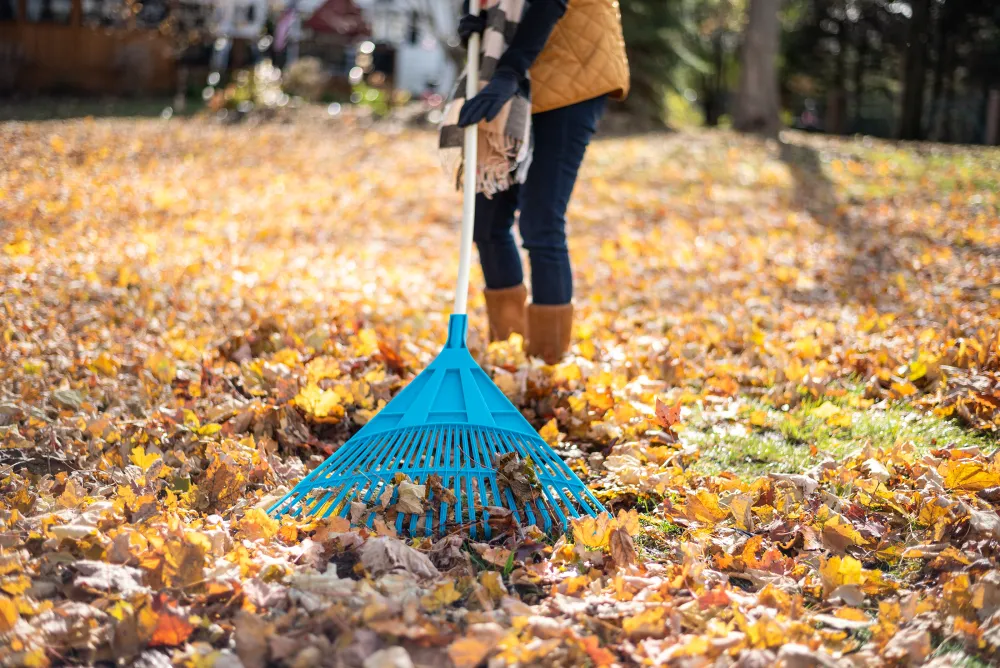
We tend to think of leaf fall as an autumnal concern, but in truth it’s a four-season job. Leaves can come down at any time - from overhanging trees in spring winds to evergreen droppings in summer droughts. Left to gather on lawns, patios and beds, they can quickly become a problem.
On grass, a thick layer blocks out light and air, weakening the sward and creating a damp environment where moss and fungal diseases thrive. It’s one of the biggest contributors to patchy, tired-looking lawns in winter and spring.
And it’s not just the grass. Leaves left in the crowns of herbaceous plants can cause rot, particularly in damp corners of the garden. Also, when you pile them too deep in borders you create the perfect winter hideout for slugs – not ideal when you’re trying to protect your emerging delphiniums or prized hostas.
So, a light but regular approach works best. Use a rake or a blower to keep paths and lawns clear, and don’t be afraid to go over beds and borders with a gloved hand to tease out wet clumps. It's oddly satisfying work – a sort of meditative tidy-up that rewards you with an instantly smarter garden.
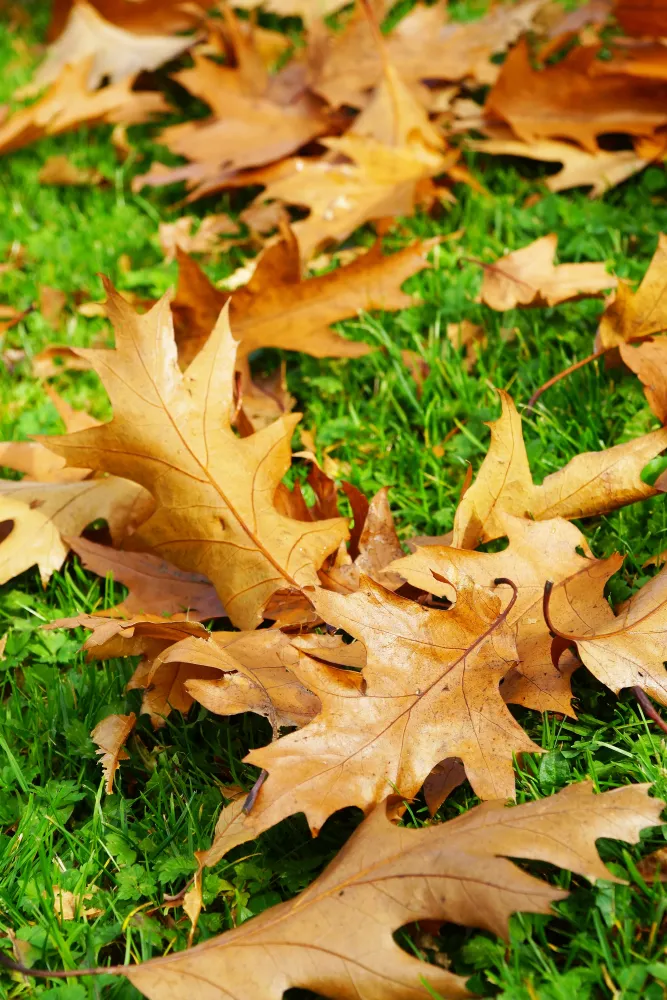
However, don’t be too hasty to bin everything. Dry, crisp leaves – especially from trees like oak, beech and hornbeam – make brilliant leaf mould, which, given time, becomes one of the finest soil improvers you can get. Pile them into a corner, or better still, pop them into black bin bags with a few air holes and let nature get to work. In a year or so, you’ll have a rich, crumbly compost that plants absolutely love.
Some leaves, of course, are best avoided altogether – walnut and eucalyptus can contain chemicals that suppress plant growth, so dispose of these in the council green bin or take them to a recycling centre.
In short, leaf removal might not be the most glamorous task, but it’s one of those quiet rituals that makes all the difference.


