

Green Fingers…The Alan Titchmarsh Column - August/September 25
He’s a magnificent broadcaster, gifted gardener, brilliant author and all-round horticultural visionary. This month, Alan Titchmarsh talks about airborne visitors to your garden.
It’s that time of year when summer feels like it’s put its feet up - the sun’s hanging a little lower, the evenings are less hurried, and yet the garden still hums with life. Unfortunately, some of that life comes in the form of pesky airborne visitors: flies, gnats, midges and those irritating little whiteflies.
We’ve all been there when on select days of the year these little pests seem to explode in population. Not only do we bear the brunt of that with bites and an almost constant swatting action, our gardens suffer too.
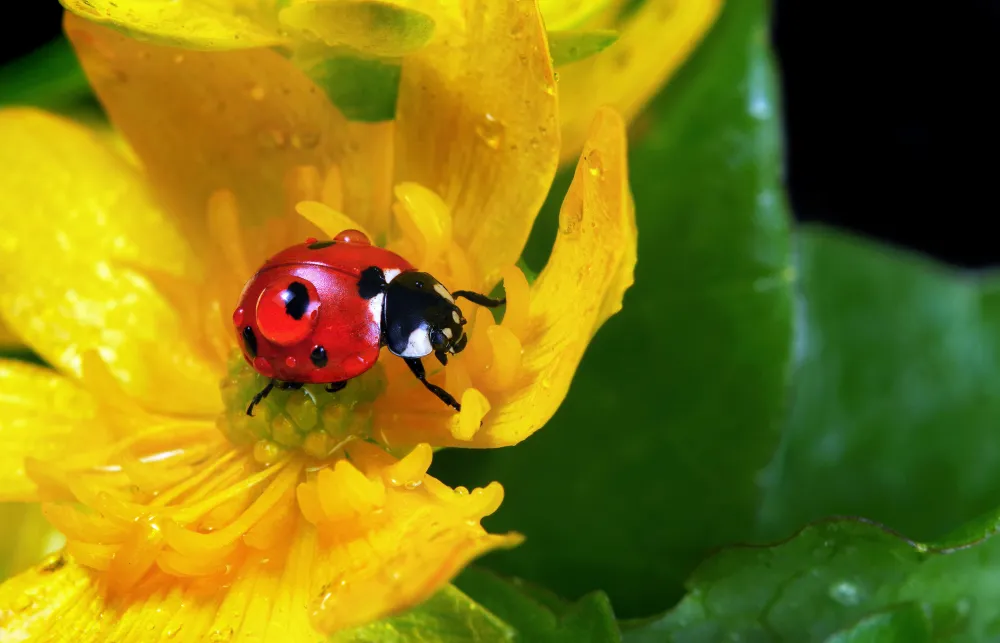
Now, before you go charging out with a sprayer or investing in military-grade netting, it’s worth taking a breath. Not all insects are villains. In fact, most are part of a delicate ecosystem that keeps your garden ticking over. Hoverflies, for instance, may look a bit like wasps, but they’re harmless, and their larvae gobble up aphids like there’s no tomorrow. Likewise, lacewings, ladybirds, even certain tiny wasps are on your side.
Of course, some of the less welcome guests – such as greenfly, whitefly, and thrips – can cause real bother if they multiply unchecked. These can weaken plants and, in the case of vegetables and ornamentals, ruin all your good work. In a greenhouse, they thrive in the warmth, and by this month, numbers can soar if not kept in check.

The key is balance. First, keep your plants in good health. Stressed, thirsty or overcrowded varieties are more prone to insect trouble; so regular watering, deadheading and spacing can work wonders. Remove any damaged leaves or sticky, curled shoots, as these only serve as a magnet for pests and a sign something’s already afoot.
You can also plant some natural deterrents - strong-scented herbs like basil, mint and rosemary can put off a few unwanted visitors, and they look lovely too. As a further move, a homemade spray of diluted washing-up liquid (a teaspoon in a litre of water) can be effective on aphids and whitefly. Just go gently and test a bit first to avoid leaf scorch.
Ultimately, don’t be too quick to wipe everything out. Your garden is a shared space and everything is in sync together – even the bits that get you swatting away furiously!


