

Gardening: Plant Hunters Article - December 25/January 26
The Holly And The Ivy by Martin Blow
We all know the Christmas carol ‘The Holly and the Ivy’ but how many of us grow them in our gardens? In the bleak mid-winter, both offer evergreen often variegated foliage, and food for the birds.
Holly (Latin name Ilex) makes a fairly large tree if left to grow freely, the usually red berries are invaluable food for birds like Redwings, Fieldfares, Thrushes and Blackbirds in the winter.
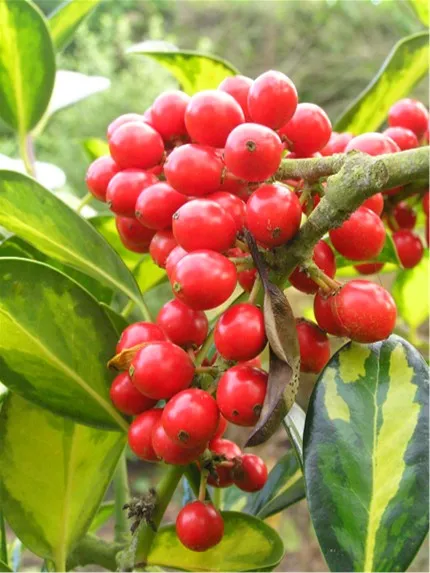
Naturally holly has green leaves but over the years variants with variegated leaves have been spotted and nurtured and made available as new varieties. There are both gold and silver variegated types, sometimes the new leaves can be entirely without any green in them. If you spot any twigs developing only green leaves, cut these out at their base or they will grow more strongly and take over.
To ensure berries you will need both male and female varieties in the garden or at least nearby. We are fortunate as a neighbouring garden has a holly hedge with plenty of male plants in it to provide pollen.
If you want to have berries, then select female varieties. Unfortunately, the variety name isn’t always a good guide. For example, Golden King is female, and Silver Queen is male.
Holly’s can be pruned in spring and young plants can be trained and close-clipped as prickly intruder stopping hedges or into topiary shapes which might better suit small gardens and container growing.
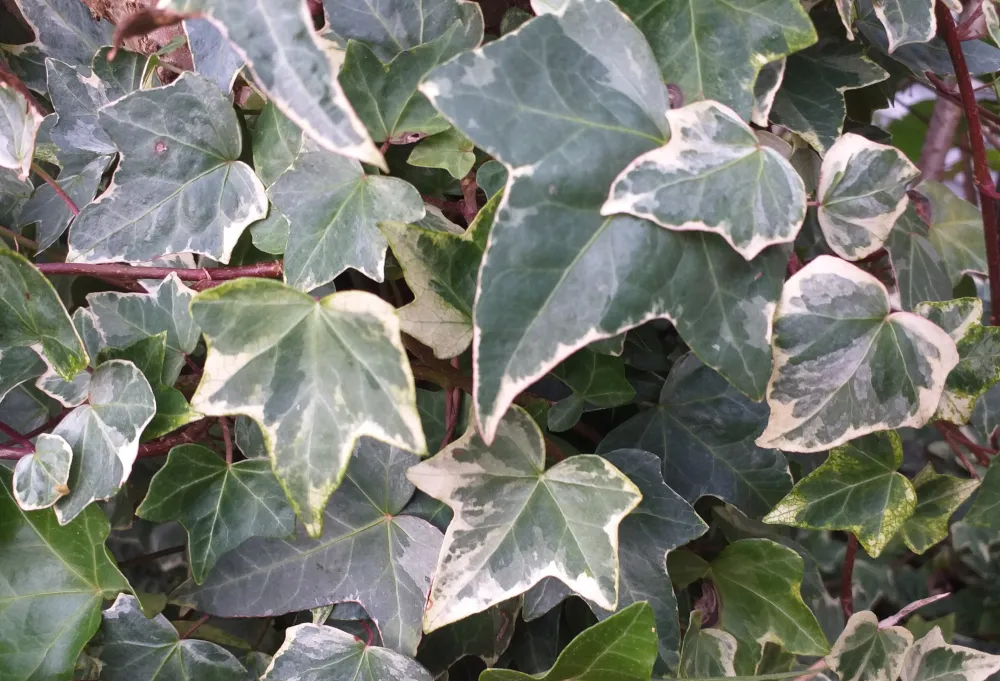
English Ivy (Latin name Hedera helix) also has variegated varieties that add a splash of colour to dull, shady places. Ivy is well-suited to providing ground cover in dry shade and to climbing up and covering garden eyesores. The main problem is ivy is too successful at this and can become a chore to manage and keep in check. The clinging stems will destroy wooden fences and can damage brickwork.
Perhaps ivy works best as a container plant, trailing from raised beds and hanging baskets or climbing up ironwork where it can be clipped regularly to keep it under control.
Ivy’s autumn and winter flowers are invaluable for bees. Birds enjoy the berries. The dense foliage provides nesting sites and cover for small birds and mammals.
If you want something different, then look no further than Hedgehog Holly and Upright Ivy. Hedgehog Holly, (Ilex ferox) has leaves almost totally covered in spines like a hedgehog’s back. There are both green and variegated varieties available. Upright Ivy (Hedera helix “Erecta”) grows with short stiff upward facing branches from a central stem. It makes an unusual centrepiece for a container planting.
Please be aware both holly and ivy berries are toxic to humans and pets who might eat them.
Janet & I organise Plant Hunters’ Fairs, specialist plant fairs at wonderful locations. Please see www.planthuntersfairs.co.uk for a full list of our 2026 plant fairs. Please check website for all the latest updates before travelling.
Plant Fair Dates for your 2026 diary: Saturday 28th March, Bodenham Arboretum, DY11 5TB. Sunday 12th April, Middleton Hall, Nr Tamworth, B78 2AE (ticket required). Sunday 3rd May, 1620s House and Garden, Nr Coalville, LE67 2FW (ticket required). Monday 4th May, Chasewater Country Park, WS8 7NL.


