

National Garden Scheme Article - August/September 26
Organic Inspiration With The National Garden Scheme

Under the expert eye of head gardener Emma O’Neill (pictured), Warwickshire County Organiser Liz Watson takes a sun-drenched stroll through Ryton’s inspirational 1-acre Garden Organic set up by pioneer Laurence Hills as the Henry Doubleday Research Association in 1954. This remarkable venture will open for the NGS in September.
Next to the neat Alpine Garden, local schoolgirls from the Community programme are potting up Courtyard Garden flowers, demonstrating how a small space can yield great results. Next door, the lush Rain Garden is all about conserving water.
“We don’t talk about companion planting here because we’ve insufficient scientific evidence” reveals Emma, “but anecdotally, the more diverse planting you have – fruit, herbs, vegetables, flowers – the less pests and diseases. Kale planted within the beds are not getting whitefly, isolated kale are getting plastered! And we’re trialling alfalfa pellets (also used to feed horses) as a slow-release fertiliser.”
Ryton houses the National Seed Library, and two National Collections; the ornamental comfrey, and back-up for tradescantia.
Emma points out a perennial bed swathed in cosmos, and filled with unusual vegetables rudbeckia laciniata (of which you can eat the basal leaves), ostrich fern with edible fronds, and Chinese artichoke. “Regular veg growing is the hardest part of gardening. You’ve got to be on it all the time with successional sowing, weeding and harvesting. Today, I’ve pulled out lettuce and spinach which have already bolted in the sun.”
A dense chocolate vine archway opens onto the elegant glasshouse where heritage chillies have over-wintered, and pelargonium, salvia, heuchera and potentilla all need looking after prior to their propagation.
No-dig beds will soon morph into the Beginners’ Garden, with heirloom fieldpulse Carlin (recently featured in Prue Leith’s Cotswold Kitchen) monitored to verify whether it’s a good alternative to the regular pea.
“I don’t like people thinking organic gardening has to be messy,” confesses Emma. “You’re trying to work with Nature - not against it. And don’t be changing your soil. If you haven’t got ericaceous, you can’t grow rhododendrons. So stop trying!”
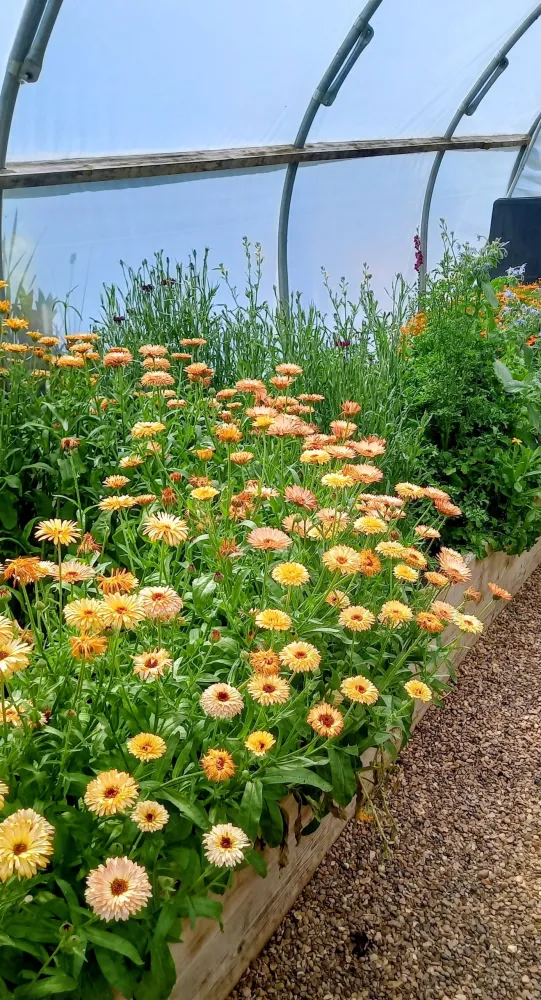
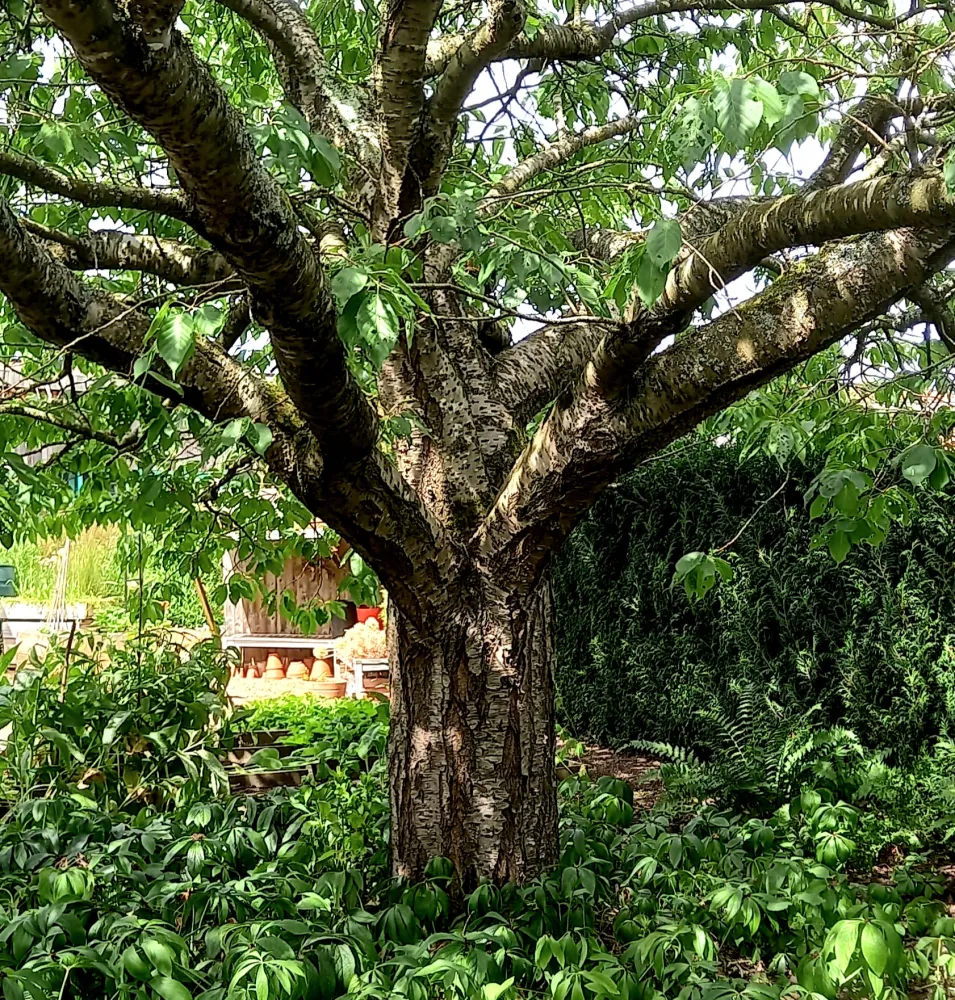
The informative stroll continues through the Wildlife Garden, the Compost & Comfrey areas spread under a vast cherry tree, and onwards past the Polytunnel growing edible flowers to the final destination of the colourful Ornamental Garden.
“As a gardening charity with an Outreach Team and many different projects, we try to get people to grow produce, save their own seeds and be sustainable through community work. I also run the Growing Partners national network,” continues Emma. “Our online training includes free webinars and an advice line to which people can submit queries.
“This is my 10th year of gardening since becoming ill with mental health issues from doing soul-destroying work in a bank. My Dad, a very keen gardener, encouraged me to train in horticulture which is why I chose this path. Being outside is good for me…”
For more information please visit www.ngs.org.uk. Thank you.
Words and Images © L. Farrah


