

Green Fingers…The Alan Titchmarsh Column - October/November 26
He’s a magnificent broadcaster, gifted gardener, brilliant author and all-round horticultural visionary. This month, Alan Titchmarsh reflects on how British gardens have evolved over the years – and why, despite changing fashions, the best gardens still have the same simple purpose.
One of the pleasures of growing older is that you've had the chance to watch gardens grow older too.
The first garden I really remember belonged to my grandparents. There was nothing particularly fashionable about it - no outdoor kitchen, no architectural lighting, and certainly no firepit surrounded by expensive furniture. It was simply a garden. It grew flowers because they were beautiful, vegetables because they were useful, and fruit because, well, somebody had to make the jam.
Looking back, I realise it also had something that many modern gardens still struggle to achieve.
It had soul.
Gardens have always reflected the age in which they are created. The neat suburban plots of the 1950s were often immaculate, with clipped hedges, perfect lawns and regimented bedding displays. Then came the explosion of patio living, followed by decking, water features, outdoor entertaining and today's enthusiasm for wildlife-friendly planting and naturalistic borders.
Every generation leaves its fingerprint, and that isn't a bad thing, but gardens should evolve because we do too.
People spend more time outdoors now than they did 20 or 30 years ago. We expect our gardens to function almost like another room - somewhere to eat, work, read or simply sit with a cup of tea as the day winds down.
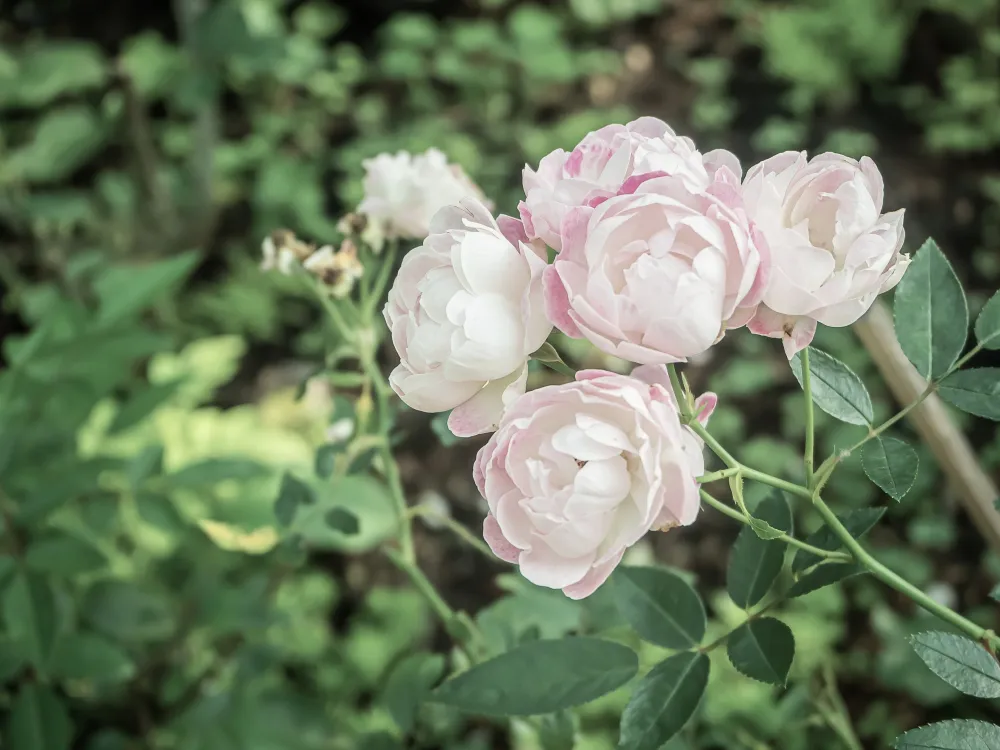
What delights me is that the old ideas haven't disappeared altogether. Vegetable patches are enjoying something of a renaissance, roses remain as popular as ever, sweet peas still climb and fill the evening air with perfume, while apple trees continue to reward patient gardeners just as they always have.
Perhaps the biggest transformation I've witnessed is our attitude towards wildlife. When I first began gardening professionally, neatness was often considered the highest virtue. Today we're far more likely to celebrate a slightly untidy corner filled with bees, butterflies and birds.

And actually, I think that's progress, because a garden should never feel like a museum. It ought to be alive.
If I have one concern as we edge into another new era of our gardens, it's that social media (and, to be fair, the cult of countless garden shows I’ve appeared at) has persuaded some people that every garden should look finished. The truth is that gardens are never finished - mine certainly isn't. There is always another border to improve, another shrub that has outgrown its welcome, or another idea waiting to be tried.
That's part of the joy, and perhaps that's why I still find it so endlessly fascinating.


